


How to Prepare for and Pass Your Driving Test

Still need drivers ed first?
Many states require it before the road test, and ours is online and self paced.
Quick Answer:
- Practice the skills examiners score on every test: traffic checks, turns, lane changes, backing, and parking.
- Get your car and paperwork ready the day before, since a broken light or a missing document can end the test before you leave the lot.
- Avoid critical errors, such as making the examiner step in or ignoring a sign or signal, because you can fail the test on the spot.
The road test isn't designed to trick you. Examiners follow a written scoring guide, and most of what they look for is the same safe driving you've been practicing all along. Here's what gets scored, the mistakes that end a test early, and how to spend the week before so test day feels routine.
What Do Examiners Score on a Driving Test?
Examiners score how safely you control the car and how well you watch traffic, with the traffic check (looking for vehicles, cyclists, and pedestrians, then reacting correctly) observed in every move you make. California, for example, publishes its full driving test criteria, and most states grade similar skills.
Traffic Checks
Turn your head, not just your eyes. Before pulling out, changing lanes, or entering an intersection, check ahead, behind, and to both sides, and look over your shoulder at your blind spots. Examiners can only score what they see you do.
Turns and Intersections
Signal early, slow down before the turn rather than in it, and finish in the correct lane. Come to a full stop behind the limit line, and yield the right of way when the situation calls for it. A refresher on turn signals covers how far ahead to signal.
Lane Changes and Speed
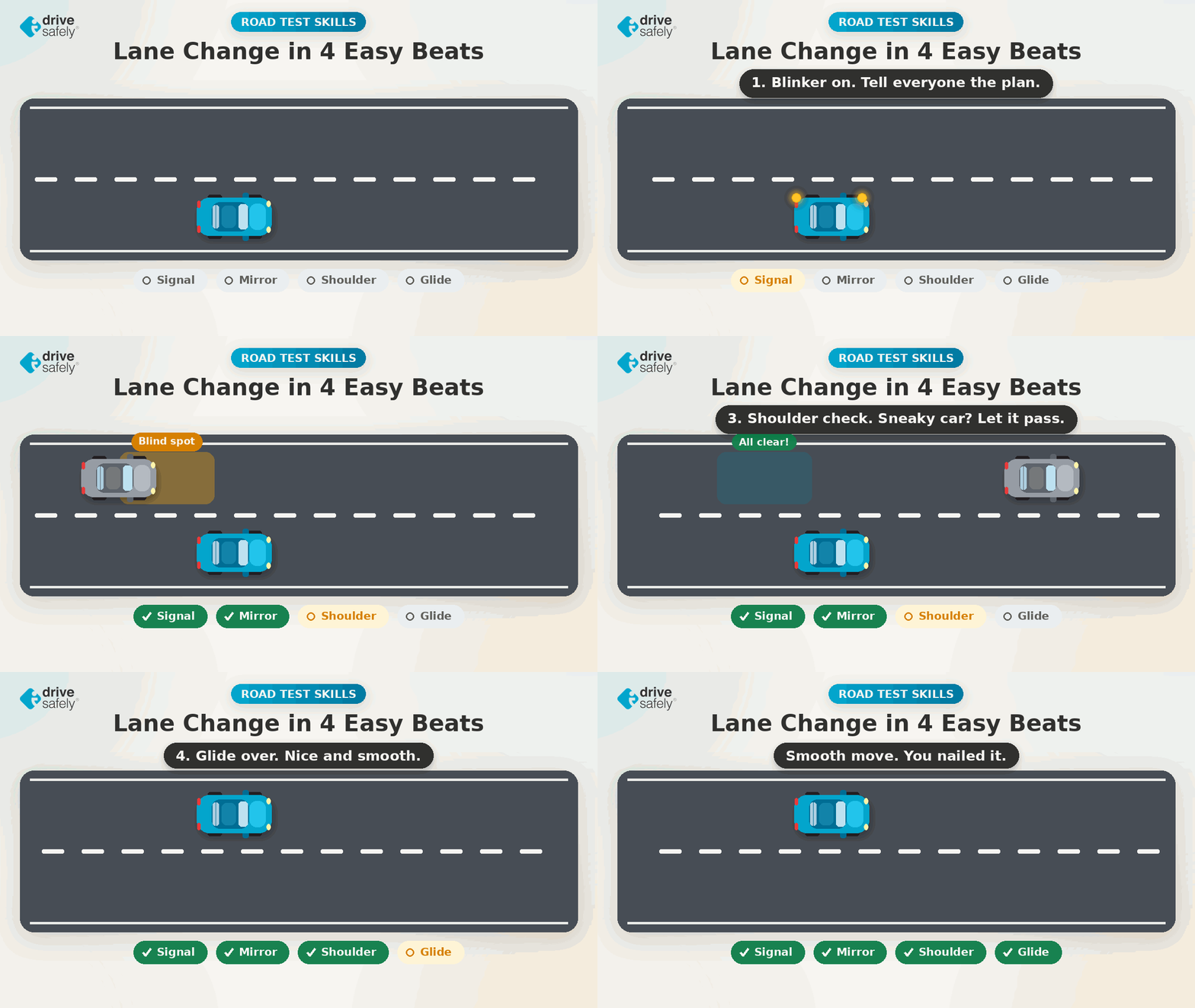
Signal, check your mirror, check your blind spot, then move smoothly into the center of the new lane. Keep your speed steady and appropriate. In California, driving 10 mph over or under the limit without a good reason counts as a critical error.
Backing and Parking
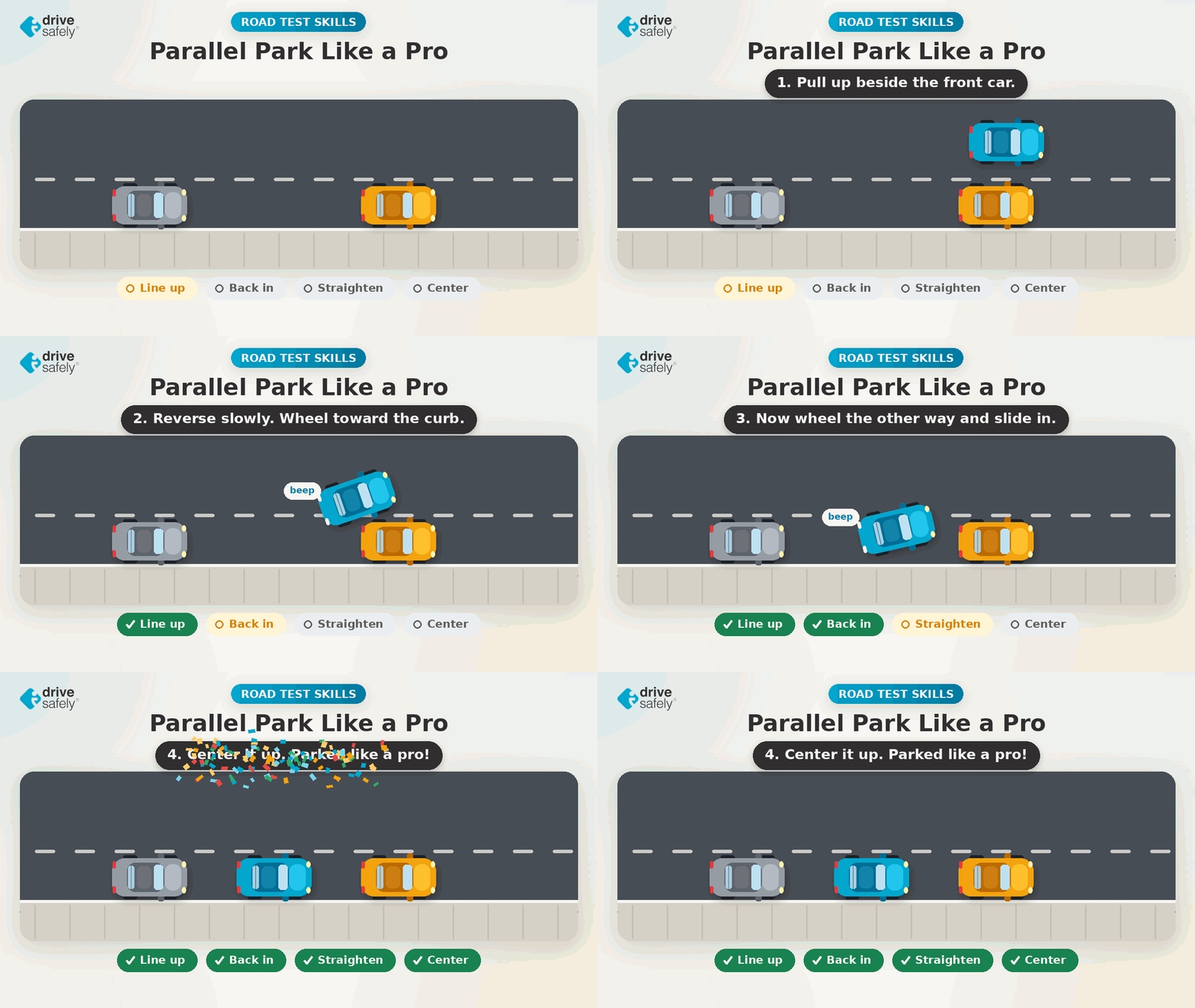
Most tests include backing in a straight line, often along a curb, and many include a parking maneuver. Look over your shoulder while reversing, since a backup camera can't be your only tool. Whether parallel parking is on your test depends on your state, so check your handbook and practice it anyway with our parallel parking guide.
What Mistakes Fail a Driving Test Instantly?
A critical driving error, an unsafe move that creates real danger, can fail you immediately even if the rest of your drive was clean. Smaller mistakes add up more slowly.
Critical Errors to Avoid
Each state keeps its own list, but these are the kinds of errors that typically end a test.
- Doing something that forces the examiner to step in, by word or by grabbing the wheel or brake
- Running a stop sign or red light, or failing to yield to a pedestrian
- Hitting a curb, object, or another vehicle
- Driving well over or under the speed limit for conditions
- Making a dangerous maneuver that forces another driver to react
Small Errors That Add Up
Rolling stops, wide turns, late signals, drifting in the lane, and jerky braking usually cost points rather than ending the test. Too many of them still mean a fail, so clean them up in practice.
How Should You Get Ready the Week Before?
Spend the last week practicing the exact skills on the test, on roads that look like the ones near your testing office, with someone who can grade you honestly.
Practice Like It's the Real Test
- Drive the area around your testing site, including busy intersections and school zones.
- Have your supervising driver call out turns and lane changes the way an examiner would.
- Run backing and parking drills until they feel boring.
- Practice at different times of day, including once after dark if you can; our night driving tips help.
Get Feedback From a Pro
A professional instructor spots habits family members miss. I Drive Safely's driving lessons put you in the car with a trained instructor who knows what examiners look for, which makes them a smart final tune up before test day.
What Should You Bring on Test Day?
Bring your permit, any certificates your state requires, and a car that passes the examiner's safety check. Requirements vary, so confirm your state's list when you book.
Paperwork
Expect to show your learner permit and proof that you've met your state's training and practice requirements, such as a drivers ed certificate or a signed practice log. Texas, for example, lists what to bring and how its drive test works in an official guide.
A Car That Passes the Safety Check
Before you drive, the examiner checks that your signals, brake lights, horn, and seat belts work and that you know where your controls are. Some states, like California, also ask you to demonstrate arm signals. If the car fails the check, the test may be rescheduled, so walk around it the day before.
A Calm Start
Arrive early, adjust your seat and mirrors before the examiner gets in, and ask any questions before you start driving. If you make a small mistake, let it go and focus on the next turn.
Road Test FAQ
Straight answers to what new drivers ask before test day.
What happens if I fail my driving test?
You can retake it. Most states require a waiting period before your next attempt, and California, for example, makes you wait at least 14 days. Use the examiner's feedback to focus your practice.
Can I use my backup camera during the test?
You can glance at it, but you can't rely on it alone. Examiners expect to see you turn your head and look behind you while backing.
Do I need drivers ed before the road test?
It depends on your age and state. Many states require teens to finish drivers ed before testing, and the knowledge test usually comes first; if that's still ahead of you, start with the written test questions people miss most, then explore online drivers ed for your state.

Tips To Pass Your DMV Behind-the-Wheel Test
Here are the necessary things you need to know to pass your DMV behind-the-wheel drivers license test.

Passing the Road Sign Test the First Time
When you get your driver’s license or driver’s permit for the first time, and occasionally after that, you are required to pass a road sign test at the Department of Motor Vehicles Department (DMV).

Distracted Driving Is On the Rise: Newest Statistics
Distracted driving is quickly becoming a major safety issue across U.S. roads. Read the latest statistics on this new, dangerous epidemic, and how to fight it.
Looking for more driving resources?
Enter your email for deals, study materials, car maintenance tips, insurance savings, and more.