


The Cost of Defensive Driving — And How Much You Can Save

The Course That Pays You Back
A one-time fee, then insurance discounts that repeat every year. Your future premiums would like a word.
Quick Answer:
- Online defensive driving costs between $14.95 and $96.95 depending on your state, and most states land in the $25 to $50 range.
- The savings usually dwarf the price: insurance discounts (New York mandates 10% off base rates for three years), points kept off your record, and avoided rate surcharges.
- For many drivers, the course pays for itself within the first year of the insurance discount alone, then keeps saving after that.
Defensive driving has a funny reputation: everyone knows it makes you safer, but few people realize it is also one of the rare purchases that can hand your money back. The course fee is small and one-time. The savings are recurring. Here is the honest breakdown of what you will pay, where the money comes back from, and how to run the numbers for your own situation.
The Price Tag: What Defensive Driving Actually Costs

There is no national rate, because there is no national course. Each state approves its own curriculum, sets its own required hours, and that structure drives the price.
What Sets the Price in Your State
Course length is the biggest factor. Shorter four-hour courses often land between $20 and $30, six-hour programs like New York's PIRP course typically run $25 to $50, and longer requirements like Florida's 12-hour ADI course sit closer to $60 or more. California traffic school through I Drive Safely typically falls in the $20 to $40 range. Approval and reporting requirements matter too; courses that must report completions directly to a state agency or court carry that administrative overhead in the price. You can see what applies to you on the I Drive Safely defensive driving page, which routes you to your state's approved version, whether that is Texas defensive driving or California traffic school.
Online vs. Classroom Costs
The sticker prices are often similar, but the true costs are not. A classroom course adds gas, parking, and most expensively, your time: an evening or a Saturday you cannot get back, and possibly lost wages or burned PTO. An online course removes every one of those line items. You take it at home, in slippers, on your schedule, pausing whenever life interrupts. When people say online defensive driving is cheaper, this is usually what they mean, even before comparing course fees.
Your State's Price: The Full 50 State Breakdown
Here is how the map shakes out. I Drive Safely offers a state-approved course in 27 states, each priced to its state's required length and reporting rules. Prices below are standard course prices; promotions frequently drop them lower.
States With an I Drive Safely Course
- Alabama: $35.95
- Alaska: $31.95
- California: $24.95
- Colorado: $34.95
- Delaware: $14.95
- Florida: $25.90
- Georgia: $30.00
- Idaho: $17.95
- Indiana: $55.95
- Louisiana: $36.95
- Michigan: $39.00
- Missouri: $24.95
- Nevada: $16.95
- New Jersey: $30.95
- New Mexico: $34.95
- New York: $48.95
- North Carolina: $62.95
- North Dakota: $35.00
- Ohio: $47.95
- Oklahoma: $30.95
- Oregon: $49.95
- South Carolina: $43.95
- Tennessee: $39.00
- Texas: $30.95
- Virginia: $34.95
- Washington: $59.95
- Wisconsin: $96.95
What About the Other 23 States?
If you live in Arizona, Arkansas, Connecticut, Hawaii, Illinois, Iowa, Kansas, Kentucky, Maine, Maryland, Massachusetts, Minnesota, Mississippi, Montana, Nebraska, New Hampshire, Pennsylvania, Rhode Island, South Dakota, Utah, Vermont, West Virginia, or Wyoming, defensive driving still exists; it just runs through different channels. In some of these states, courses are ordered through the court that handled your ticket, which will point you to its approved provider list. In others, the course is purely voluntary and taken for an insurer discount, in which case your insurance company decides which programs it accepts. Prices in these states typically fall in the same $15 to $50 band as the list above. Start with a call to your insurer or a look at your citation paperwork, and check our insurance discount page for how completion certificates translate into savings.
Reading the Price Spread
Notice the pattern in the list: the cheapest courses (Delaware, Nevada, Idaho) are short, insurer-discount style programs, while the priciest (Wisconsin, North Carolina, Washington) reflect longer state mandated curricula and heavier reporting requirements. You are not paying more for fancier videos; you are paying for more required hours. Which is worth remembering when comparing: within your state, every approved provider is teaching to the same required clock.
Where the Savings Come From
Three separate streams of money flow back to you after the course. Most drivers only know about one of them.
The Insurance Discount
Many insurers offer a premium discount to drivers who voluntarily complete an approved defensive driving course, and in some states the discount is written into law. The size and duration vary by company and state, so the first phone call to make is to your own insurer. Our insurance discount page explains how to claim it and what documentation your insurer will want to see.
Keeping Points Off Your Record
After a ticket, many states let you complete an approved course to prevent points from hitting your record or to reduce the ones already there. That matters because points are what insurers surcharge and what states use to suspend licenses. Avoiding a single point-triggered rate increase can be worth several times the course fee, year after year, and it keeps you far away from the reinstatement fees and hassle of a suspension. Learn how your state handles it on our point reduction page.
The Crash You Never Have
The least measurable saving is the biggest one. Defensive driving teaches hazard recognition, following distance, and space management, the exact skills that prevent the fender bender that would have cost you a deductible, a rate hike, and a week of headaches. You cannot put a receipt on a collision that never happened, but your bank account feels it all the same.
A Real World Example: New York's Mandated Discount
Want proof the math works? New York wrote it into state policy.
How the PIRP Discount Works
Complete a course approved under New York's Point and Insurance Reduction Program and the New York DMV confirms you get 10% off the base rate of your auto liability and collision premiums, every year, for three years. Present your completion certificate to your insurer within 90 days and the reduction begins immediately. The same course can also reduce up to four active points on your record, and you can retake it once every 36 months to keep the discount rolling. The I Drive Safely New York PIRP course is DMV approved and takes about six hours online.
Why This Example Travels
Not every state mandates a discount, but the structure repeats everywhere: a small fixed fee, followed by a percentage discount on a bill you were going to pay anyway. Take a driver with a $1,500 annual premium: New York's 10% reduction returns $150 a year, or $450 over the three years it lasts, against a course fee under $50. That is roughly a 9x return before counting a single avoided point. Even a modest 5% discount typically clears the course fee within the first year.
Take Your Defensive Driving Course Online

NY Defensive Driving: What to Expect Before You Enroll
Find out what our online New York Defensive Driving Course covers and how it can earn you PIRP benefits.

5 Roadtrip Tips for 2020
Even with the COVID-19 pandemic still running its course, it’s a great time to take a road trip. Here are some tips to stay safe during unprecedented times.
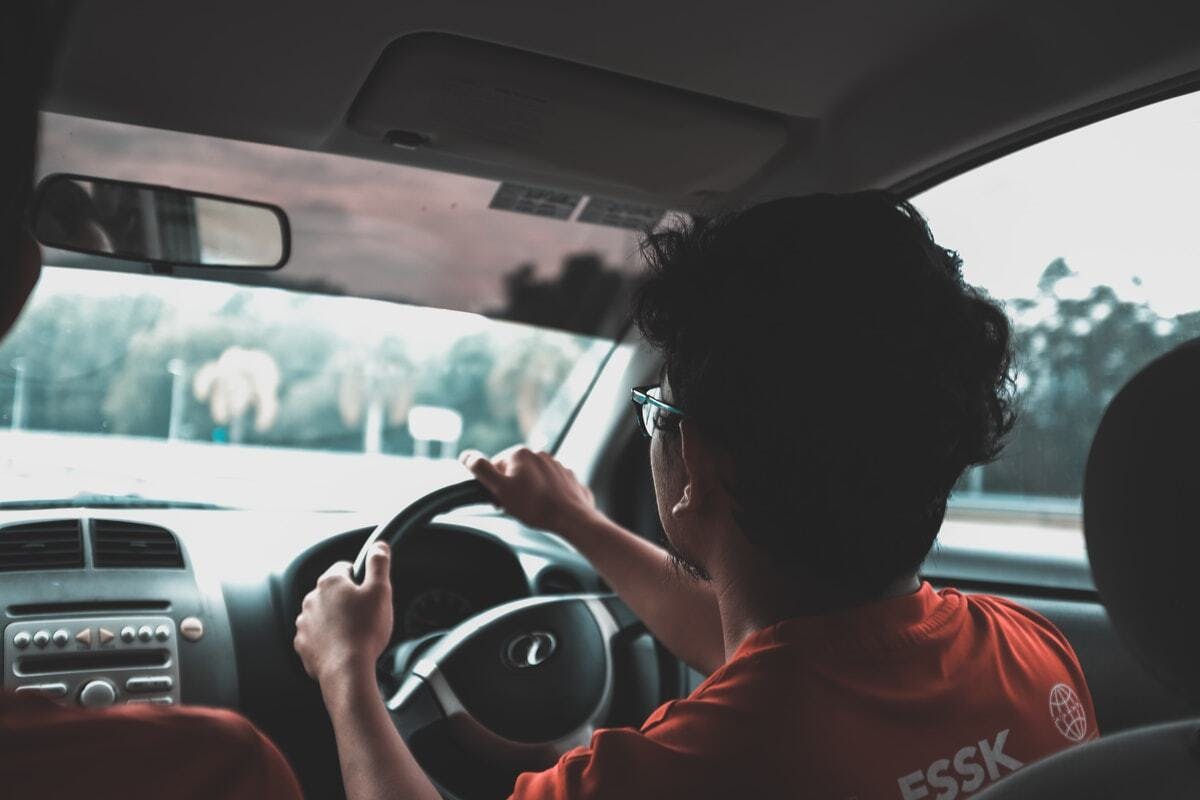
How to Take a North Carolina Defensive Driving Course
Want to dismiss points from your record? Learn the steps you need to take and complete the North Carolina defensive driving course.
Doing Your Own Math
You can settle this for yourself in about ten minutes.
Three Numbers to Look Up
First, your annual premium, from your policy documents. Second, the discount your insurer offers for an approved course, from a quick call or your insurer's app. Third, the course fee in your state, from the state pages linked above. Multiply your premium by the discount, compare it to the fee, and note how many years the discount lasts.
When the Course Pays for Itself
If the annual discount exceeds the one-time fee, the course is profitable in year one and pure savings after that. If the discount is smaller, the break-even point simply moves out a few months. And if a ticket is what brought you here, the math tilts even harder, because you are also avoiding the surcharge the points would have caused. Check whether your ticket situation qualifies through your state's traffic school options, then let a few quiet hours online start paying you back.
Looking for more driving resources?
Enter your email for deals, study materials, car maintenance tips, insurance savings, and more.